

Most people in the diaspora have thought about going home. Far fewer could tell you, today, whether their family could legally live there next month, how their money would get there, or how long their savings would last once they landed. This repatriation checklist is built to close that gap in 90 days, without selling anything, quitting anything, or committing to a move.
The audience is large. Pew Research counted 5.6 million Black immigrants in the US in 2024, with 2.5 million born in the Caribbean and 2.4 million born in Africa. About 61% are naturalised US citizens. Canada and the UK hold large Jamaican, Trinidadian, Ghanaian, Nigerian and Kenyan communities of their own.
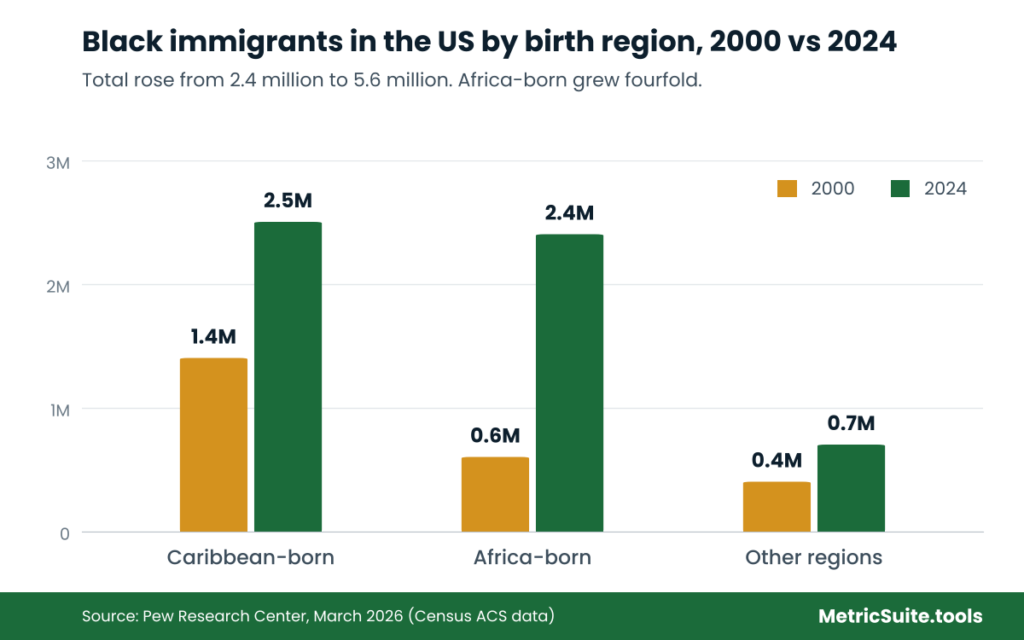
Many of those families hold a right to live somewhere else that they have never written down, never claimed for their children, or never checked. That is the real Plan B gap. It is paperwork, not courage.
Need a Freelancer for This?
Hire verified talent on Fiverr — starting from $5. No contracts, no hassle.
Browse Fiverr Freelancers →This guide covers five destinations with documented rules: Jamaica, Trinidad and Tobago, Ghana, Nigeria and Kenya. It assumes you are leaving from the US, Canada or the UK.
What a Plan B Actually Is
A Plan B is not a decision to leave. It is the ability to leave on your own terms if you ever decide to. It comes down to three questions:
- Can you legally live there? Citizenship, a right of abode, or a residence permit, for every person in your household.
- Can your money get there? An account in your name at the destination, and a clear view of what leaving does to your pensions and tax.
- Can you afford the first 12 months? A costed move, a monthly budget at the destination, and a savings runway.
Most people work on the third question first because it feels concrete. The first question is the one that blocks everything else, so start there.
Layer 1: Your Legal Right to Live There
This is where most diaspora Plan B content goes wrong. A right to live in a country comes from citizenship or a specific residence status, not from heritage alone.
| Destination | Automatic right through a parent | If you do not have that link | Official source |
|---|---|---|---|
| Jamaica | Born outside Jamaica to a parent who was a Jamaican citizen at the time of your birth. You apply to PICA for a certificate. | A non-Jamaican spouse can apply for citizenship by registration through marriage. | PICA via Jamaican consulates |
| Trinidad and Tobago | Born abroad to a parent who is a citizen other than by descent. | Registration and naturalisation routes exist. Confirm terms with the Immigration Division. | Citizenship Act, Chap 1:50 |
| Nigeria | Born outside Nigeria to a parent who is a citizen is a citizen by birth (section 25). | A person of full age with a Nigerian grandparent can apply for registration (section 26). | 1999 Constitution, Chapter 3 |
| Kenya | A citizen by birth if either parent was a citizen on the day you were born, wherever you were born (Article 14). | Registration routes exist under the Kenya Citizenship and Immigration Act. | Constitution of Kenya, Articles 14 to 16 |
| Ghana | Ghanaians who lost citizenship by naturalising abroad can apply for Right of Abode. | People of African descent can apply for Right of Abode. The diaspora citizenship programme was paused in February 2026. | Ghana Immigration Service |
Dual citizenship: check before you naturalise
- Nigeria: Section 28 lets a citizen by birth hold another nationality. Citizens by registration or naturalisation can lose Nigerian citizenship by taking another one.
- Kenya: Article 16 says a citizen by birth does not lose citizenship by acquiring another. Anyone who lost it before the 2010 Constitution can apply to regain it under Article 14(5). Kenyan law also requires dual citizens to declare the second citizenship within three months.
- Trinidad and Tobago: Dual citizenship is permitted for citizens by birth or descent only, under section 11(2D) of the Citizenship Act.
Ghana: Right of Abode is not an emergency exit
Ghana’s Right of Abode is real and valuable. It gives the right to live permanently in Ghana, enter without a visa, and work without a work permit.
The application file for Africans in the diaspora is heavy, though. The Ghana Immigration Service lists evidence of contribution to Ghana’s economy, company documents with three years of audited accounts, and personal and company tax clearance for the past six years. The Ministry of the Interior’s own time frame is six months after Immigration files its due diligence report.
In practice, Right of Abode suits people who have already invested in Ghana. It does not suit someone who needs a legal status in 90 days.
The faster citizenship route for the historic diaspora was paused in February 2026 while the government reworked the process. Before the pause, the BBC reported a US$136 application fee and a further US$2,280 for shortlisted applicants. Check the Ministry of the Interior for the current status before you plan around it.
The cheapest step on this list: claim your children’s citizenship
If you hold Jamaican, Nigerian or Kenyan citizenship by birth, your children born abroad are likely citizens too. That right is worth very little until it is on paper.
Jamaican consulates quote roughly 40 business days to four months for a descent certificate once PICA has a complete file. Doing it now, while nothing is urgent, costs a few forms and some patience.
Layer 2: Money That Can Move
Your Plan B needs money that is reachable from the destination, and a clear view of what leaving costs you in tax.
Open a destination account now, and report it
Open an account in your own name at the destination, and keep a small balance moving through it. An account that already exists, with a history, is worth far more in a crisis than one you try to open from a hotel room.
US persons have a reporting duty. If the combined value of your foreign accounts goes above US$10,000 at any time in the year, you must file an FBAR with FinCEN. A Plan B account should never become a penalty notice.
Before you fund it, compare what your corridor actually costs. The Africa Remittance Comparison and the Caribbean Remittance Comparator show the fee and the exchange rate margin together.
Know what leaving does to your pensions
This is where a rushed exit gets expensive.
- US 401(k) and IRA: Withdrawals before age 59 and a half usually carry a 10% additional tax on top of income tax, unless an exception applies. Cashing out to fund a move is usually the most expensive way to pay for it.
- Canada RRSP, RRIF and pensions: Once you are a non-resident, Canadian payers deduct Part XIII tax at 25% on these payments unless a tax treaty reduces the rate.
- Canada departure tax: When you emigrate, you are treated as having sold certain property, such as shares, at fair market value. That deemed disposition can trigger capital gains tax. If everything you own is worth more than CAD 25,000, you also file Form T1161.
- Canada TFSA: You can keep it after you leave, but you cannot contribute while you are a non-resident.
- UK State Pension: It is paid worldwide, but it only rises each year in certain countries. Jamaica and Barbados are on the list. Ghana, Nigeria, Kenya and Trinidad and Tobago are not, so the pension stays at the rate you had when you left.
The UK pension point matters more than most people realise. Someone retiring to Trinidad on a UK State Pension will watch its buying power shrink every year. Someone retiring to Jamaica will not.
Size the emergency fund to your runway, not a rule of thumb
Generic advice says three to six months of expenses. A Plan B fund should be sized to your actual runway at the destination, which depends on household size, schooling and any income you keep.
The Repatriation Cost Calculator gives you that runway in months, using your savings, your one-time moving cost and the gap between destination costs and retained income.
→ Use the free Repatriation Cost Calculator at MetricSuite.tools to calculate this instantly, no signup required.
Layer 3: The First 12 Months on the Ground
Once the legal and money layers exist, the question becomes whether the first year works.
- The move itself. Shipping, flights, documents and temporary housing. The repatriation calculator covers moves from the UK, US or Canada to all five destinations in this guide.
- What you can bring in. Returning resident concessions differ sharply. Jamaica requires three consecutive years abroad and grants no duty concession on motor vehicles. The returning resident customs rules guide compares Ghana, Nigeria, Kenya and Jamaica.
- Whether you qualify. The Returning Resident Eligibility Checker covers Jamaica and Ghana, including documents and vehicle age rules.
- Local income. If you take a salaried job at home, run the offer through the African PAYE Calculator or the Caribbean PAYE Calculator before you accept it.
- Family obligations. If you already support relatives, that support usually grows once you are living there. The Black Tax Calculator puts an annual number on it.
The 90-Day Repatriation Checklist
Two to three hours a week is enough. Nothing on this list is irreversible.

Days 1 to 30: Documents and legal status
- Week 1: List every passport in the household with its expiry date. US routine passport processing currently runs 4 to 6 weeks, plus up to two weeks each way in the mail. The State Department says October to December is its quietest period.
- Week 2: For each person, write down their legal right to live at your top destination: citizen by birth, citizen by descent not yet claimed, eligible for registration, or none.
- Week 3: Start any unclaimed citizenship by descent applications, especially for children.
- Week 4: Build a “Go Folder”: certified birth and marriage certificates, citizenship certificates, deeds, wills and powers of attorney. Keep one physical copy and one encrypted digital copy.
Days 31 to 60: Money
- Week 5: Open the destination account. US persons, note the FBAR threshold.
- Week 6: List every pension and retirement account and write down what happens to it if you become a non-resident. Use the rules above as a starting point, then confirm with a cross-border tax adviser.
- Week 7: Run the Repatriation Cost Calculator for your household and record the one-time cost and the runway in months.
- Week 8: Set your Plan B fund target from that runway figure, and decide where it sits.
Days 61 to 90: The ground
- Week 9: Write a one-page destination assessment: legal route, monthly costs, housing, schooling, healthcare and what you would ship.
- Week 10: Check your returning resident eligibility and what you could bring in duty-free.
- Week 11: Talk to family at the destination about what a temporary or permanent return would actually involve, including any support they would expect.
- Week 12: Review the plan, note the gaps, and set a reminder to review it every six months.
What a Plan B Is Not
It is not a reason to sell your house, cash out a 401(k), or give notice at work. Every one of those steps can be done later, and most of them cost more when they are rushed.
It is also not a prediction. A completed checklist simply turns “we could always go home” into a statement you can check. For most families, the result is that they stay where they are, with less anxiety and better options.
Key Takeaways
- Legal status comes first. Without citizenship or a residence right for every household member, the rest of the plan does not hold.
- Claim citizenship by descent before you need it. Children born abroad to Jamaican, Nigerian or Kenyan citizens usually qualify, but only paper makes it usable.
- Ghana’s Right of Abode is for people already invested in Ghana, not a 90-day route. The diaspora citizenship programme was paused in February 2026.
- Leaving has a tax bill. US early withdrawal tax, Canada’s 25% non-resident withholding and departure tax, and a frozen UK State Pension in most African destinations.
- Size your fund to a real runway, calculated for your household and your destination.
Conclusion: Start This Week
You do not need a decision to build a repatriation checklist. You need a list of passports, a list of who in your household can legally live where, and one honest number for how long your savings would last.
This week, check every passport expiry date in your home and write down each person’s legal route to your top destination. Then run your household through the Repatriation Cost Calculator to get your runway.
→ Use the free Repatriation Cost Calculator at MetricSuite.tools to calculate this instantly, no signup required.
This guide is general information, not legal, tax, immigration or financial advice. Citizenship and tax rules change, so confirm your situation with the relevant government agency or a qualified adviser before you act.
FAQ
What should be on a repatriation checklist?
Three things: a legal right to live at the destination for every household member, money that can reach you there (with a clear view of pension and tax consequences), and a costed first 12 months, including the move, monthly costs and your savings runway.
Can my children get Jamaican citizenship if they were born abroad?
Yes, if one parent was a Jamaican citizen when the child was born. You apply to PICA through a Jamaican consulate for a certificate of citizenship by descent. Consulates quote roughly 40 business days to four months once the file is complete.
Can African Americans or Caribbean people get Right of Abode in Ghana?
People of African descent can apply. The Ghana Immigration Service requires evidence of contribution to Ghana’s economy, company documents and six years of tax clearance, so it suits people already invested in Ghana. The Ministry’s time frame is six months after Immigration’s due diligence report.
Is Ghana’s diaspora citizenship programme open?
It was paused in February 2026 while the government reworked the process. Check the Ministry of the Interior for the current status before planning around it.
Does Nigeria allow dual citizenship?
Yes, for citizens by birth, including people born outside Nigeria to a Nigerian parent. Citizens by registration or naturalisation can lose Nigerian citizenship by taking another nationality.
Does Kenya allow dual citizenship?
Yes. Under Article 16 of the 2010 Constitution, a citizen by birth does not lose citizenship by taking another. Dual citizens must declare the second citizenship, and people who lost Kenyan citizenship before 2010 can apply to regain it.
Will my UK State Pension go up if I retire to Africa or the Caribbean?
Only in certain countries. It rises each year in Jamaica and Barbados, among others. In Ghana, Nigeria, Kenya and Trinidad and Tobago it stays at the rate you had when you left.
What tax do I pay when I leave Canada?
Emigrants are treated as having sold certain property, such as shares, at fair market value, which can trigger capital gains tax. After you leave, Canadian payers deduct 25% non-resident tax on RRSP, RRIF and pension payments unless a treaty reduces the rate.
REFERENCES (all checked 7 October 2026)
Population
- Pew Research Center, Key findings about Black immigrants in the U.S. (20 March 2026): https://www.pewresearch.org/short-reads/2026/03/20/key-findings-about-black-immigrants-in-the-us/
Citizenship and residence
- Embassy of Jamaica, Washington DC, Citizenship by descent (PICA requirements and processing): https://embwashington.mfaft.gov.jm/citizenship
- Consulate General of Jamaica, New York, Citizenship (40 business days): https://congenjamaica-ny.org/?p=1137
- Jamaica High Commission, Ottawa, Applying for Jamaican Citizenship (registration by marriage): https://missions.mfaft.gov.jm/jhcottawa/applying-for-jamaican-citizenship/
- Immigration and Refugee Board of Canada via ecoi.net, Trinidad and Tobago dual citizenship (Citizenship Act s11(2D)): https://www.ecoi.net/en/document/1297224.html
- Diaspora for Development (EU), Trinidad and Tobago country factsheet (descent through a parent who is a citizen other than by descent): https://diasporafordevelopment.eu/wp-content/uploads/2024/05/CF_Trinidad-and-Tobago-v.2.pdf
- Constitution of Nigeria 1999, section 25 (citizenship by birth): https://nigerian-constitution.com/chapter-3-section-25-citizenship-by-birth/
- Constitution of Nigeria 1999, section 26 (registration via grandparent): https://nigerian-constitution.com/chapter-3-section-26-citizenship-by-registration/
- Constitution of Nigeria 1999, section 28 (dual citizenship): https://nigerian-constitution.com/chapter-3-section-28-dual-citizenship/
- Kenya Law, EWA & 2 others v Director of Immigration [2018] (Articles 14, 14(5) and 16 applied): https://new.kenyalaw.org/akn/ke/judgment/kehc/2018/8961
- CM Advocates, Dual Citizenship in Kenya (KCIA s8(3) three-month declaration): https://cmadvocates.com/blog/dual-citizenship-in-kenya/
- Ghana Immigration Service, Right of Abode (rights granted and diaspora requirements): https://gis.gov.gh/service/right-of-abode/
- Ministry of the Interior, Ghana, Right of Abode (six-month time frame): https://www.mint.gov.gh/services/right-of-abode/
- Citinewsroom, Ghana suspends citizenship applications for historical diasporans (2 February 2026): https://citinewsroom.com/2026/02/ghana-suspends-citizenship-applications-for-historical-diasporans/
- BBC via Citizenship Rights Africa, Ghana suspends citizenship process (fees US$136 and US$2,280): https://citizenshiprightsafrica.org/en/ghana-suspends-citizenship-process-for-people-of-african-descent/
Passports
- US Department of State, Get Your Processing Time (updated 5 October 2026): https://travel.state.gov/en/passports/apply/help/processing-time.html
Money and tax
- FinCEN, Report Foreign Bank and Financial Accounts (US$10,000 threshold): https://www.fincen.gov/report-foreign-bank-and-financial-accounts
- IRS, Retirement topics: Exceptions to tax on early distributions (10% additional tax before 59 and a half): https://www.irs.gov/retirement-plans/plan-participant-employee/retirement-topics-exceptions-to-tax-on-early-distributions
- Canada Revenue Agency, Leaving Canada (emigrants) (departure tax, T1161, TFSA): https://www.canada.ca/en/revenue-agency/services/tax/international-non-residents/individuals-leaving-entering-canada-non-residents/leaving-canada-emigrants.html
- Canada Revenue Agency, Non-residents of Canada (Part XIII tax at 25%): https://www.canada.ca/en/revenue-agency/services/tax/international-non-residents/individuals-leaving-entering-canada-non-residents/non-residents-canada.html
- GOV.UK, State Pension if you retire abroad: How your pension is affected: https://www.gov.uk/state-pension-if-you-retire-abroad/rates-of-state-pension
- GOV.UK (DWP), Countries where we pay an annual increase in the State Pension: https://www.gov.uk/government/publications/state-pensions-annual-increases-if-you-live-abroad/countries-where-we-pay-an-annual-increase-in-the-state-pension
Returning residents
- Jamaica Ministry of Foreign Affairs, Returning Residents FAQs (three years abroad, no vehicle concession): https://mfaft.gov.jm/site/returning-residents-faqs/