
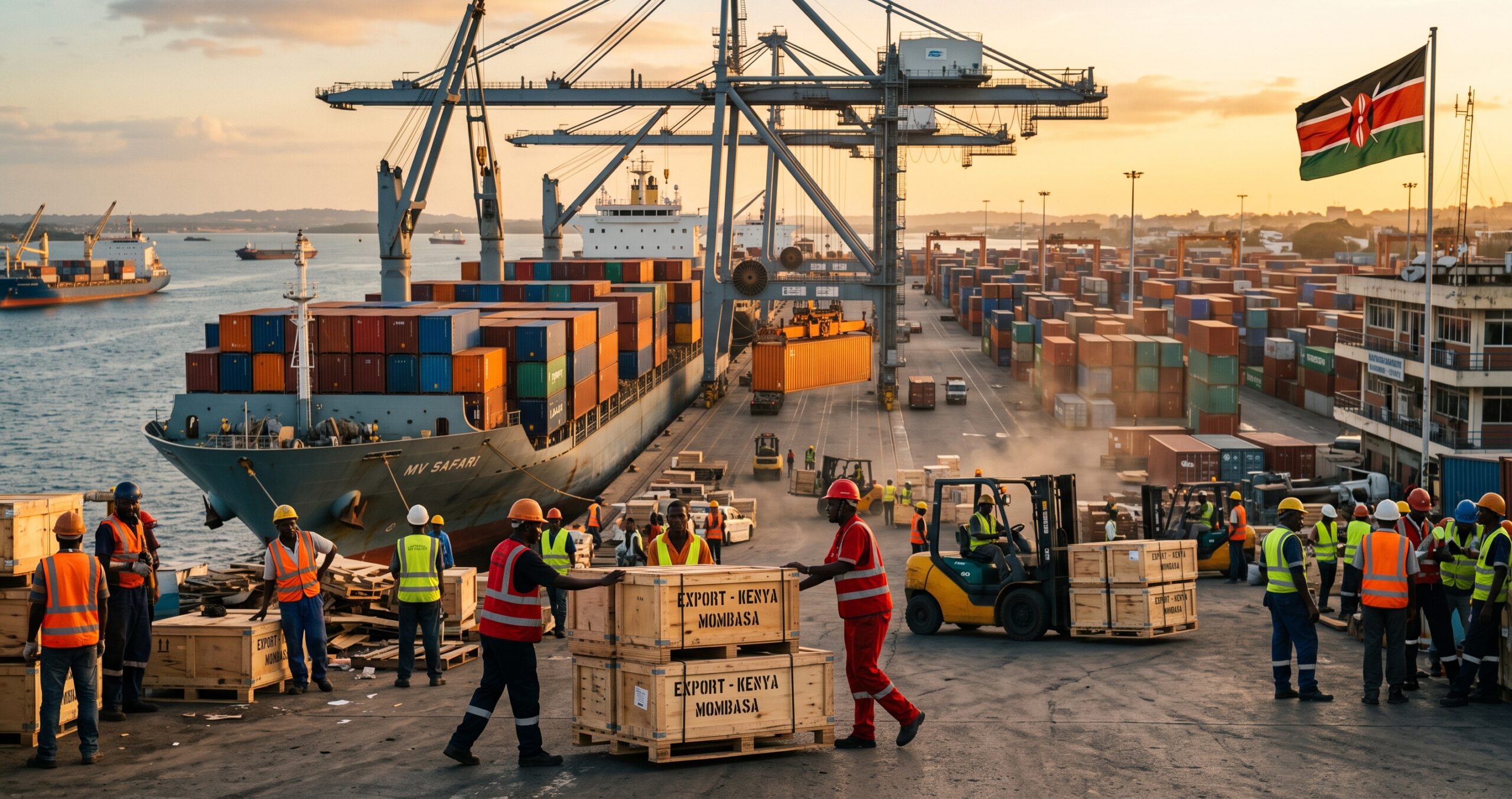
At a Nairobi packhouse in Murang’a, a cold-chain manager checks the temperature log on a crate of Hass avocados bound for a market Kenya has never shipped to directly. For years, “export” meant Rotterdam, Dubai, or, more recently, Shanghai. It never meant Kingston. That changed on July 13, 2026, when Kenya’s first-ever resident High Commissioner, Everlyne Mwenda Karisa, landed in Jamaica to open the country’s first permanent diplomatic mission in the Caribbean, ending a decade in which every Jamaica-related consular and political matter had to be routed through Kenya’s embassy in Havana, Cuba.
The mission is not a symbolic gesture. Kenya’s Ministry of Foreign Affairs and Diaspora Affairs has explicitly named agriculture, ICT, tourism, logistics, and creative industries as the cooperation sectors the Kingston post is meant to activate, and it sits on top of a relationship that has been building for years: CARICOM opened its own diplomatic office in Nairobi back in 2019 during President Kenyatta’s state visits to Jamaica and Barbados, and Kenya’s ambassador to the CARICOM Secretariat in Georgetown, Guyana, was reaccredited as recently as May 2025. What has been missing, on both sides, is the connective tissue, the freight routes, the compliance knowledge, the payment rails, that turn a diplomatic relationship into an actual trade corridor.
None of this makes duty-free shipping available tomorrow. What it does is put a resident High Commission, an active ambassador in Georgetown, and a stated government priority on record, at the exact moment several of Kenya’s export sectors are already scaling their compliance infrastructure for new markets elsewhere. Use the free Kenya Import Duty Calculator at MetricSuite.tools to calculate this instantly, no signup required, if any of the five openings below involve bringing goods back into Kenya as well as shipping out.
Need a Freelancer for This?
Hire verified talent on Fiverr — starting from $5. No contracts, no hassle.
Browse Fiverr Freelancers →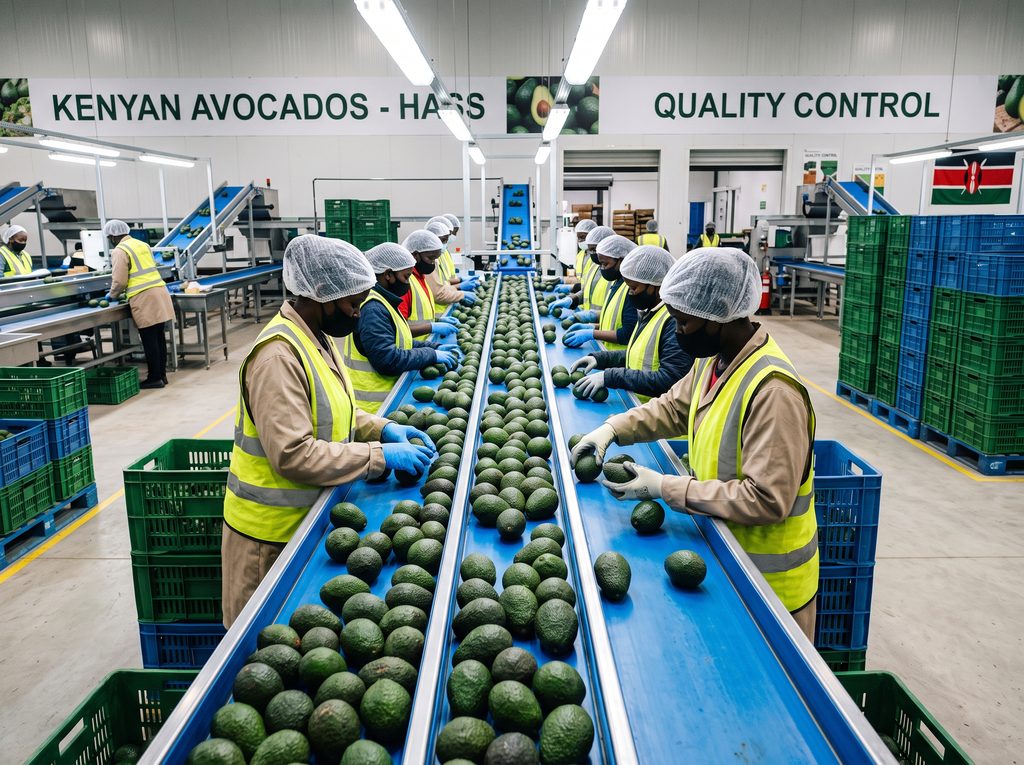
1. Freight Forwarding and Cold-Chain Logistics for the New Corridor
Cargo between Kenya and the Caribbean today has no direct route. It moves through Europe or the Middle East, adding weeks and cost to every shipment, a real problem for a fruit exporter working with a 7-to-14-day shelf-life window. A freight forwarding and customs clearing operation built now, ahead of any direct shipping agreement, can capture the first wave of traders who need someone on the ground managing transshipment in both directions.
Startup costs in Kenyan shillings:
- Kenya Ports Authority and clearing agent licensing: KES 180,000 (about USD 1,395)
- Business registration and KRA PIN/tax registration: KES 15,000 (about USD 116)
- Basic office, laptop, and printer: KES 90,000 (about USD 698)
- Website and WhatsApp Business setup: KES 35,000 (about USD 271)
- Total: roughly KES 320,000 (about USD 2,480)
A realistic 60 to 90 day scenario: eight clearing or forwarding jobs at an average commission of KES 18,000 (about USD 140) brings in KES 144,000 (about USD 1,116) gross, with a margin near 50 percent after subcontracted trucking and port fees, roughly KES 72,000 (about USD 558) net before any direct route even exists.
First steps:
- Register as a licensed clearing and forwarding agent with the Kenya International Freight and Warehousing Association
- Find a Kingston-based clearing agent for a two-way referral arrangement
- List your services with Kenyan exporter associations and Jamaican import trade groups
2. Export Compliance and Phytosanitary Documentation Services
Kenya has spent the last two years building exactly the kind of export compliance infrastructure a new market requires. When China opened duty-free access to Kenyan avocados, macadamia, coffee, and tea in 2026, exporters had to register with KEPHIS, Kenya’s Plant Health Inspectorate Service, secure phytosanitary certificates, and pass the Farm-to-Port tracking system now used to keep exporters off the blacklist. That same compliance discipline, HS code classification, phytosanitary certification, GLOBALG.A.P group certification for smallholders, is directly transferable to any new market, including a Caribbean one, once import protocols are agreed.
Startup costs:
- KEPHIS exporter registration and training: KES 25,000 (about USD 194)
- GLOBALG.A.P group certification setup (per smallholder cluster): KES 20,000 (about USD 155)
- Laptop and compliance tracking software: KES 65,000 (about USD 504)
- Professional indemnity insurance: KES 30,000 (about USD 233)
- Total: roughly KES 140,000 (about USD 1,085)
Revenue scenario: a documentation package covering phytosanitary certificate prep and HS code classification priced at KES 22,000 (about USD 171) per client, sold to eight smallholder cooperatives or SME exporters in 90 days, brings in KES 176,000 (about USD 1,364) gross at a margin near 65 percent for a service business, about KES 114,400 (about USD 887) net.
First steps:
- Study KEPHIS’s current export requirements and the Farm-to-Port tracking rules through KEPHIS’s own published guidance
- Approach cooperatives already exporting avocado, macadamia, or coffee to China as your first clients, they already understand the value of compliance-first exporting
- Watch for the specific plant health protocol CARICOM member states publish once any Kenya-Caribbean agricultural trade framework is formalised
3. Cross-Border Fintech and Remittance Partnerships
Kenya’s M-Pesa is the dominant mobile money platform on the continent, and Jamaica’s fastest-growing digital wallet, Lynk, is backed by NCB and already integrates with Jam-Dex, the Bank of Jamaica’s digital currency pilot. Neither side talks to the other directly yet, and a resident diplomatic mission with a stated South-South cooperation mandate is exactly the kind of opening that makes a formal payment corridor conversation possible.
Startup costs, built as an agent or reseller rather than a new licensed platform:
- Central Bank of Kenya payment service provider agent registration: KES 120,000 (about USD 930)
- Compliance, AML training, and KYC software: KES 85,000 (about USD 659)
- Marketing and merchant onboarding: KES 50,000 (about USD 388)
- Total: roughly KES 255,000 (about USD 1,977)
Revenue scenario: facilitating 30 transfers a month at an average fee margin of KES 3,500 per transfer generates about KES 105,000 (about USD 814) a month in gross margin once the corridor has enough diaspora and trade volume, which realistically builds over the 60 to 90 day window rather than day one.
First steps:
- Approach an existing Central Bank of Kenya licensed payment provider for an agent or reseller partnership rather than pursuing a full licence
- Research Lynk and Jam-Dex to understand how money actually lands on the Jamaican side
- Use the free Mobile Money Fees Comparison tool at MetricSuite.tools to benchmark your fee structure against M-Pesa’s existing international transfer partners
4. Creative Industries: Music, Content, and Event Promotion
Creative industries are one of the five sectors Kenya’s Ministry of Foreign Affairs named explicitly for the Kingston mission, and the cultural groundwork is already there: Jamaican reggae and dancehall have deeply shaped Kenyan urban music and youth culture for decades, while Kenya’s own Gengetone and Afrobeat-adjacent scenes are exporting further across the continent every year. An agency that can license, book, or co-produce between the two scenes has a real, underexploited market rather than a speculative one.
Startup costs:
- Business registration and music licensing body membership (MCSK): KES 18,000 (about USD 140)
- Basic production and streaming equipment: KES 150,000 (about USD 1,163)
- Artist and event partnership development budget: KES 80,000 (about USD 620)
- Total: roughly KES 248,000 (about USD 1,923)
Revenue scenario: booking or co-promoting two cross-border showcase events in a 90-day window, at a promoter margin of roughly KES 60,000 (about USD 465) per event after venue and artist costs, nets around KES 120,000 (about USD 930) before the deeper licensing and streaming revenue that follows a successful first event.
First steps:
- Build relationships with Kenyan artists and promoters already active in the Gengetone and Afrobeat scenes before approaching Jamaican counterparts
- Research Jamaican music licensing and performance rights bodies (JACAP) so cross-border royalty splits are set up correctly from the first event
- Start with a single co-branded digital release or livestreamed showcase before committing to in-person event logistics
5. Heritage and Safari Tourism for the Caribbean Diaspora
Kenya’s safari and wildlife tourism brand is one of the strongest in the world, and it has almost no dedicated marketing presence in the Caribbean. A resident High Commission actively promoting tourism as a named priority sector, paired with Jamaica’s own cultural pull for Kenyan travellers curious about reggae’s home, opens a two-way heritage and leisure travel niche that neither country’s tourism boards have built out yet.
Startup costs:
- Kenya Tourism Regulatory Authority tour operator license: KES 40,000 (about USD 310)
- Partnership deposit with a Jamaican ground operator: KES 60,000 (about USD 465)
- Website and booking system: KES 50,000 (about USD 388)
- Marketing to diaspora and cultural travel groups: KES 35,000 (about USD 271)
- Total: roughly KES 185,000 (about USD 1,434)
Revenue scenario: a pilot safari package priced at KES 280,000 (about USD 2,171) per person, selling four seats in the first 90 days through diaspora and cultural travel networks, generates KES 1,120,000 (about USD 8,682) in gross bookings, with an operator margin near 20 to 25 percent after park fees, guides, and lodging, roughly KES 224,000 to 280,000 (about USD 1,736 to 2,171) net.
First steps:
- Register with the Kenya Tourism Regulatory Authority as a licensed tour operator
- Partner directly with a Jamaican travel agency or cultural association for authenticated two-way referral and ground handling
- Presell one pilot group trip through a diaspora or reggae-culture Facebook group before booking safari lodge inventory
Conclusion
The Kenya Jamaica diplomatic relationship will not move a single container duty-free tomorrow. What it does is put a resident High Commission, an active ambassador in Georgetown, and five named cooperation sectors on the record, and history shows that entrepreneurs who position early around a diplomatic opening like this one tend to do better than those who wait for the trade framework to catch up. Pick one of the five openings above that matches skills you already have, run the numbers with MetricSuite’s free tools, and make your first move now rather than waiting for a formal trade agreement.
Key Takeaways
- Kenya opened its first-ever resident diplomatic mission in the Caribbean on July 13, 2026, in Kingston, Jamaica, ending a decade of routing all Jamaica-related business through the Kenyan embassy in Havana.
- The mission’s named priority sectors are agriculture, ICT, tourism, logistics, and creative industries, not a vague diplomatic gesture.
- Kenya’s export compliance infrastructure, built for the 2026 China market opening, is directly transferable to a Caribbean market once import protocols exist.
- CARICOM has had its own diplomatic office in Nairobi since 2019, and Kenya’s ambassador to the CARICOM Secretariat in Georgetown, Guyana, was reaccredited in 2025.
- Five real openings exist now: freight and cold-chain logistics, export compliance services, cross-border fintech, creative industries, and heritage and safari tourism.
A note on accuracy: the startup costs and revenue scenarios above are illustrative ranges built from typical Kenyan licensing and registration fees, not guaranteed figures for any specific business. Confirm current fees with the relevant Kenyan regulator and your Jamaican or CARICOM counterpart before committing capital.
FAQ
Is there duty-free trade between Kenya and Jamaica or CARICOM right now?
No. No bilateral or CARICOM-wide trade agreement exists yet. What exists is a resident Kenyan diplomatic mission in Kingston, opened July 2026, and an active Kenyan ambassador to the CARICOM Secretariat in Guyana, both of which put trade cooperation on record as a stated priority.
Why did Kenya open a mission in Jamaica specifically, rather than another CARICOM state?
Jamaica has the deepest existing cultural and diplomatic history with Kenya in the Caribbean, including President Kenyatta’s 2019 state visit and decades of cultural exchange through reggae and dancehall’s influence in East Africa. The Ministry of Foreign Affairs is also strengthening parallel ties with Grenada.
What products is Kenya best positioned to export toward a Caribbean market?
Kenya’s proven, compliance-ready export crops, avocado, macadamia, coffee, and tea, are the strongest starting point, since exporters already have KEPHIS phytosanitary certification and cold-chain infrastructure in place from scaling exports to China and the EU.
Do I need to wait for a formal Kenya-CARICOM trade agreement before building a business around this corridor?
No. Freight forwarding, compliance consulting, fintech partnerships, and tourism can all be built under existing rules today. The openings above are about building relationships and infrastructure that put you ahead once preferential trade terms, if any, are eventually negotiated.
References
- The Star (Kenya), “Kenya deepens Caribbean diplomatic push with Jamaica mission, Grenada ties”: https://www.the-star.co.ke/news/2026-07-19-kenya-deepens-caribbean-diplomatic-push-with-jamaica-mission-grenada-ties
- Business View Caribbean, “After a Decade Via Havana, Kenya Opens Its Own Jamaica Mission”: https://businessviewcaribbean.com/opening-lines-after-a-decade-via-havana-kenya-opens-its-own-jamaica-mission/
- Streamlinefeed, “Kenya Opens Inaugural Diplomatic Mission in Jamaica, Deepening Caribbean Ties”: https://streamlinefeed.co.ke/news/kenya-opens-inaugural-diplomatic-mission-in-jamaica-deepening-caribbean-ties
- CARICOM Secretariat, “CARICOM and Kenya renew diplomatic ties”: https://caricom.org/caricom-and-kenya-renew-diplomatic-ties/
- AgroSocialServices.co.ke, “Kenya China Duty-Free Agricultural Exports 2026: Complete Guide for Farmers” (KEPHIS compliance detail): https://agrosocialservices.co.ke/kenya-agriculture-news/china-duty-free-kenya-farmers-avocado-coffee-macadamia/
- Wikipedia, “Jamaica–Kenya relations” (2019 state visit background)