
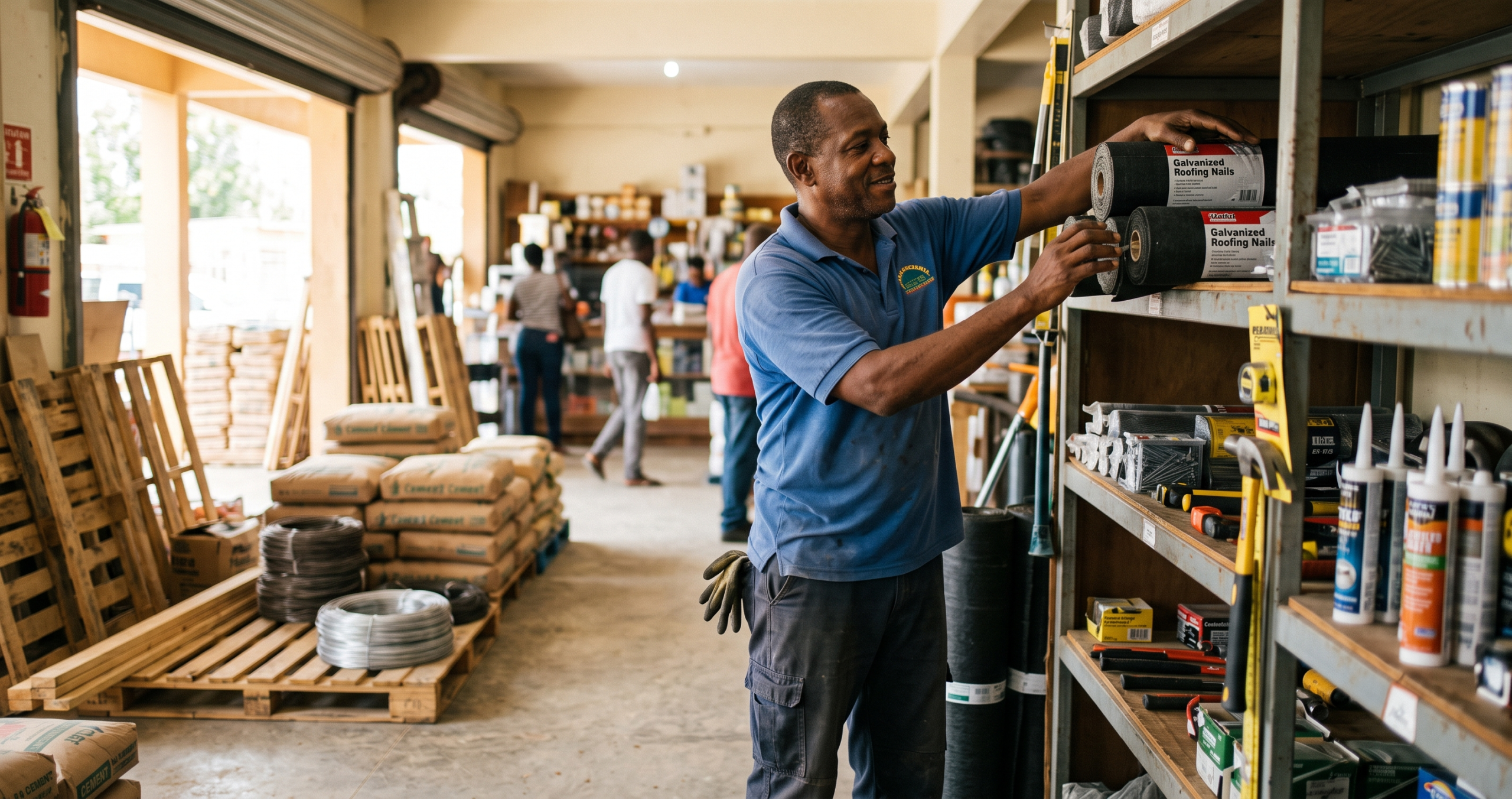
Walk through Half Way Tree or Coronation Market on any weekday and the same story repeats at stall after stall: goods bought wholesale, marked up, and sold to people who need them today, not in six weeks. That rhythm has only gotten more urgent since Hurricane Melissa tore through Jamaica as a Category 5 storm in October 2025, leaving damage the World Bank estimates at roughly 60% of the country’s 2024 GDP and more than 120,000 buildings without roofs. The emergency relief window that waived import duty on hurricane donations closed on January 15, 2026. Jamaica has moved from relief into what the government itself calls the recovery and reconstruction phase, and that phase runs on ordinary commercial imports, cleared the ordinary way, through Jamaica Customs Agency. For a growing number of entrepreneurs, importing from China to Jamaica is becoming the fastest, cheapest way to supply that need.
At the same time, the country is chasing its most ambitious tourism target yet: the “10x10x10” vision aims for 10 million visitors and US$10 billion in annual tourism earnings, backed by a hotel development pipeline set to add tens of thousands of rooms. Between rebuilding what the hurricane destroyed and supplying what the tourism boom is building, there’s real, sustained demand for goods that Jamaica largely imports rather than manufactures. China’s factories can supply almost all of it at a fraction of retail cost. Here are six businesses worth testing, each with real startup numbers in JMD.
Need a Freelancer for This?
Hire verified talent on Fiverr — starting from $5. No contracts, no hassle.
Browse Fiverr Freelancers →Roofing Materials, Tarps & Hardware
Why it works: Government damage assessments logged more than 120,000 buildings with roof loss after Hurricane Melissa, concentrated in western parishes that went weeks without electricity. That’s not a one-time spike. It’s a multi-year rebuilding cycle, and hardware stores across the island are restocking constantly.
Startup cost: A pallet of heavy-duty tarpaulins, roofing screws, and basic hand tools from a 1688 or Alibaba supplier typically runs USD $800–1,200 before freight. At JMD $158 to the dollar, that’s roughly J$126,000–190,000 for initial stock, before duty, GCT, and the other charges Jamaica applies on top.
→ Use the free Jamaica Import Duty Calculator at MetricSuite.tools to calculate this instantly, no signup required.
60–90 day scenario: Hardware retailers in affected parishes are actively restocking, so turnover on basic building materials tends to be fast. A 25–40% markup on landed cost is realistic for hardware sold through an existing retail relationship rather than direct-to-consumer.
First steps:
- Confirm your product’s exact HS code and duty band with Jamaica Customs before ordering, since roofing materials can span several tariff categories.
- Approach hardware stores in hurricane-affected parishes directly rather than competing for retail foot traffic.
- Run your full landed cost, including GCT, SCF, and the Environmental Levy, before quoting a wholesale price.
Solar Panels, Generators & Backup Power
Why it works: Western parishes went without grid power for weeks after the hurricane, and Jamaica’s electricity supply was already a recurring pain point before Melissa hit. Backup power isn’t a luxury purchase for a lot of households and small businesses right now. It’s contingency planning.
Startup cost: A small solar generator kit or portable power station wholesales from China for roughly USD $150–300 per unit. Ten units lands around USD $2,000 in goods value before freight, about J$316,000 at current rates.
60–90 day scenario: These sell in bursts tied to storm forecasts and grid outages, so margins can run higher than steady-demand goods: 40–60% is achievable when demand spikes, though it’s genuinely seasonal.
First steps:
- Verify your supplier provides UN38.3 battery documentation, since backup power units almost always ship with lithium batteries and Jamaica Customs will hold undocumented shipments.
- Price in the Environmental Levy and GCT from the start, not just duty.
- Build relationships with hardware and electronics retailers before hurricane season peaks, not during it.
Beauty Supplies & Hair Extensions
Why it works: Beauty and personal care remains one of the most consistent high-margin import categories out of China, and Jamaica’s beauty supply retail scene, from Half Way Tree to Portmore, runs almost entirely on imported stock.
Startup cost: A starter order of hair extensions, wigs, and styling tools from a Guangzhou or Yiwu supplier runs USD $500–800 for a small but sellable range, landing around J$79,000–126,000 in goods value before duty and GCT.
60–90 day scenario: Beauty products carry strong margins on branding and packaging alone. A 50–70% markup is realistic when sold direct through social media rather than wholesaled to a shop.
First steps:
- Order samples before committing to a bulk run. Hair quality varies enormously between suppliers at similar price points.
- Photograph and video every product for Instagram and TikTok before you have a website.
- Use a Jamaica-specific payment link tool like Inkress to take orders directly through Instagram and WhatsApp DMs.
Phone Accessories & Electronics
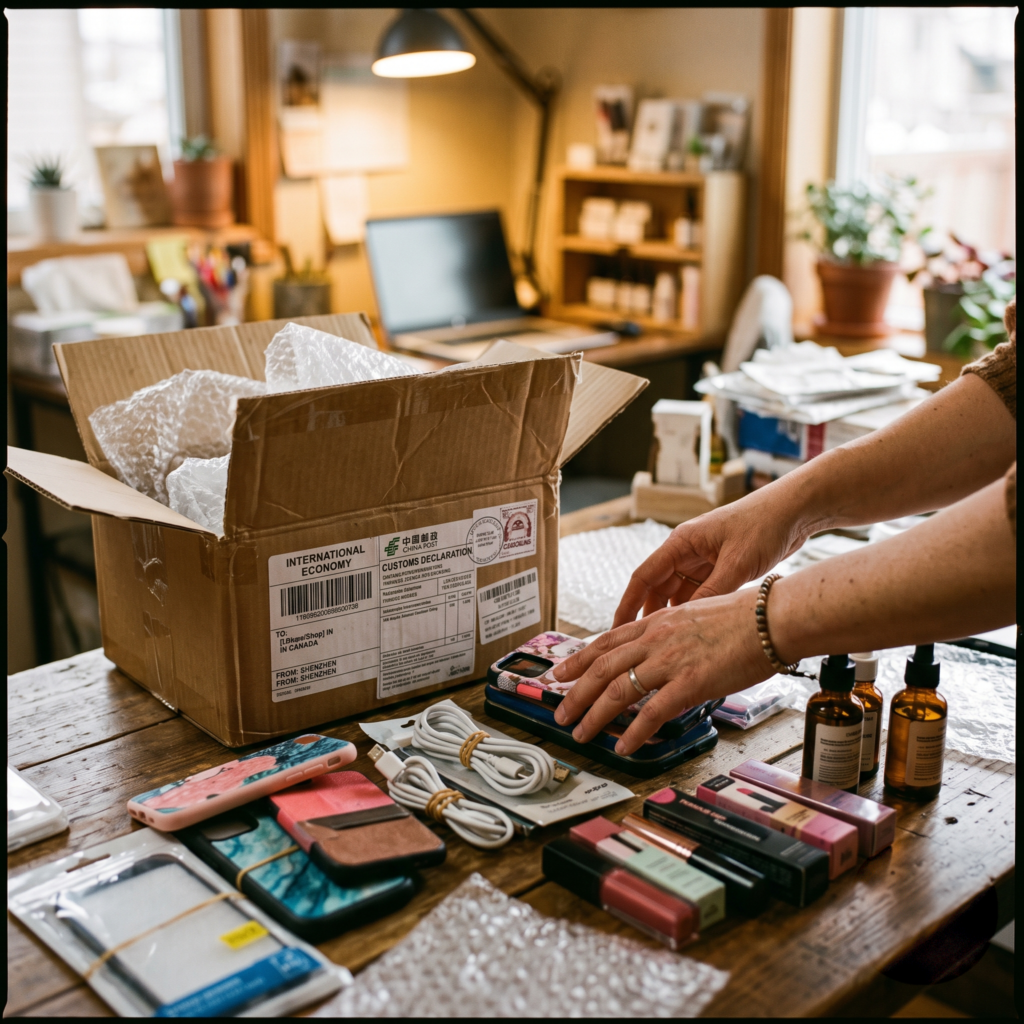
Why it works: Jamaica imported roughly US$608 million in goods from China in the most recent reported year (UN Comtrade), and consumer electronics accessories are consistently among the cheapest, highest-margin categories to bring in: phone cases, chargers, and cables cost very little to ship relative to their resale value.
Startup cost: A mixed pallet of phone cases, chargers, and cables from Shenzhen typically costs USD $300–500 wholesale, landing around J$47,000–79,000 before duty and GCT.
60–90 day scenario: These are impulse-buy, repeat-purchase items. A 100%+ markup is common, since unit costs are often under a dollar and retail prices rarely drop below J$500–800.
First steps:
- Stick to non-battery accessories for your first order to avoid certification headaches.
- Sell through WhatsApp Business and Instagram before investing in a storefront.
- Bundle slow movers with fast ones to keep inventory turning.
Auto Parts
Why it works: Jamaica’s vehicle fleet skews older and heavily Japanese-import, which means aftermarket and replacement parts are in constant demand, and China supplies a large share of the global aftermarket parts trade at a fraction of dealership pricing.
Startup cost: A starter inventory of common wear items (brake pads, filters, belts) runs USD $600–1,000 wholesale, landing around J$95,000–158,000 before duty and GCT.
60–90 day scenario: Auto parts move steadily rather than explosively, but margins of 35–50% are typical once you’ve built a relationship with a mechanic or garage that buys repeatedly.
First steps:
- Confirm exact part compatibility with your supplier before ordering. Returns on auto parts are costly.
- Partner with an established mechanic shop rather than trying to sell direct to car owners.
- Run your numbers through the Jamaica Import Duty Calculator before setting wholesale pricing, since parts can fall into different duty bands depending on classification.
Hospitality & Tourism Supply
Why it works: Jamaica’s tourism strategy explicitly targets local suppliers. The government’s Local First Policy, part of the new Tourism 3.0 framework, is designed to route more of the hotel construction and resupply pipeline through Jamaican businesses rather than imported turnkey contracts, and tourism already contributes more than 30% of GDP and 175,000 jobs.
Startup cost: Linens, basic kitchenware, and guest amenities for a small guesthouse or villa-rental supply business run USD $700–1,200 for an initial order, landing around J$110,000–190,000 before duty and GCT.
60–90 day scenario: Hospitality buyers order in volume and repeat regularly once trust is established. A 30–45% margin is realistic supplying small hotels, villas, and guesthouses directly rather than competing for large resort contracts.
First steps:
- Target villa-rental and boutique guesthouse owners first. They’re more accessible than resort procurement departments.
- Use the currency conversion built into your pricing so USD supplier costs translate cleanly to JMD quotes.
→ Use the free Currency Converter at MetricSuite.tools to calculate this instantly, no signup required.
- Lean into the Local First framing when pitching. Hospitality buyers are actively looking for Jamaican-based suppliers right now.
Start Importing From China to Jamaica: Test One Offer This Week
You don’t need all six ideas. Pick the one that matches capital you actually have and a customer relationship you can already reach: a hardware store owner you know, a villa manager who needs linens, a friend who runs a beauty supply shop. Price a small test order using real landed cost, not the supplier’s quoted price, and see if it sells before you scale. Importing from China to Jamaica rewards the entrepreneurs who test small and calculate carefully, not the ones who order the biggest container first.
Key Takeaways
- Jamaica’s post-hurricane reconstruction and its 10x10x10 tourism expansion are both creating sustained, real demand for imported goods, not short-term spikes.
- The emergency duty waiver on hurricane relief items ended January 15, 2026. Normal commercial imports now pay standard Import Duty, GCT, SCF, and Environmental Levy.
- WhatsApp, Instagram, and Facebook are how most Jamaican small businesses actually sell. A website is optional, a WhatsApp Business number isn’t.
- Local payment link tools like Inkress let you take orders directly through social media DMs without building an online store.
- Calculate your full landed cost, including all of Jamaica’s import charges, before you quote a price to anyone.
Is it still profitable to import from China to Jamaica after Hurricane Melissa’s duty relief ended?
Yes. The duty relief only ever applied to donated relief supplies, not commercial imports. Standard Jamaica import duty, GCT, and related fees have always applied to businesses importing goods for resale, so the economics haven’t changed. What’s changed is the sustained demand from reconstruction.
What’s the easiest business to start with the least capital?
Phone accessories and electronics generally require the smallest upfront investment. A few hundred US dollars can fund a sellable first order, and margins are typically the highest of the six categories here.
Do I need a business license to import and resell goods in Jamaica?
You should register with Jamaica’s Companies Office and consult an accountant familiar with GCT obligations before scaling. Many people start informally while testing a product, but formalizing matters once you’re generating consistent revenue.
How do I actually get paid by customers in Jamaica if I’m selling through Instagram or WhatsApp?
Local tools like Inkress let you send a payment link directly in a WhatsApp or Instagram message, so customers can pay before you ship or deliver, without you needing a full e-commerce website.
What’s the biggest mistake first-time importers make?
Pricing based on the supplier’s quote instead of the full landed cost. Duty, GCT, the Standard Compliance Fee, and the Environmental Levy can add 30–60% on top of the goods value, and importers who forget that lose money on their first order.
Sources & References
- World Bank, Jamaica Overview (Hurricane Melissa damage estimate, GDP impact, economic outlook)
- Jamaica Ministry of Finance & the Public Service, Hard Stop Date of January 15, 2026 for the Relief of Import Duty and General Consumption Tax (confirms when the emergency duty waiver ended)
- Trading Economics / UN Comtrade, Jamaica Imports from China (US$608 million import figure)
- Jamaica Information Service, Investment in Infrastructure Critical to Sustainable Growth in Tourism (10x10x10 tourism vision, hotel pipeline)
- Travel Daily News, Jamaica Launches Tourism 3.0 to Strengthen Local Economic Growth (Local First Policy, tourism’s share of GDP and jobs)
- Inkress, Pre-Orders & Delivery Payments in Jamaica (Jamaica-specific social commerce payment tool)