Importing From China to Nigeria: 6 Profitable Businesses You Can Start Now
Walk through Alaba International, Balogun, or Ladipo on any weekday and you are looking at the same supply chain: a container that left Guangzhou, cleared at Apapa or Tin Can, and broke down into a thousand market stalls. Importing from China to Nigeria is not a niche hustle, it is the market. In 2024, Nigeria bought ₦14.15 trillion worth of goods from China, more than double the year before, cementing China as the country’s single largest source of imports (National Bureau of Statistics). By 2025 that figure had climbed to roughly $13 billion, over a quarter of Nigeria’s entire import bill.
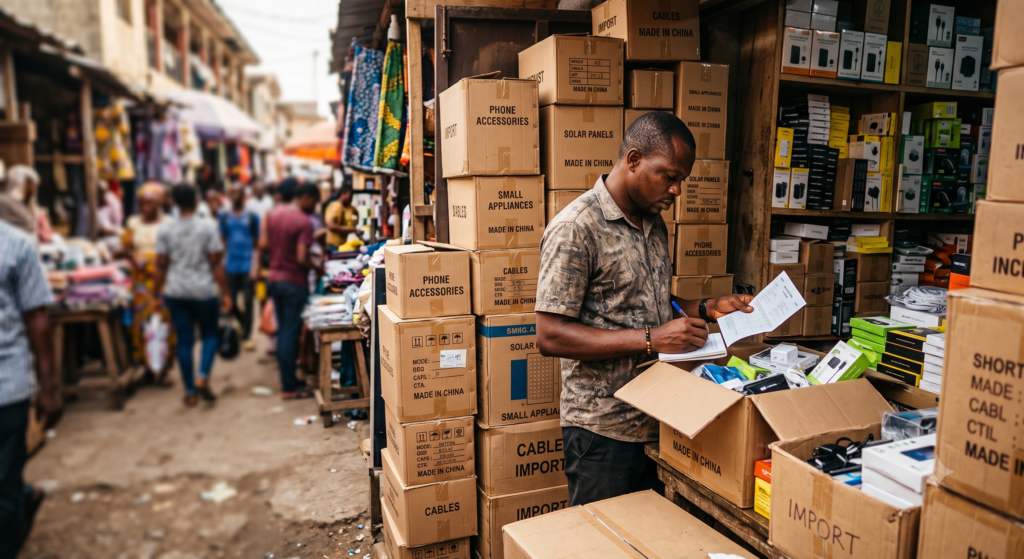
The opportunity is real, but so is the trap. Most first-time importers price off the supplier’s Alibaba quote and forget the 20–35% that customs duty, VAT, the CISS levy, shipping and clearing add on top. That gap is exactly where import businesses quietly bleed to death.
Before you wire a single dollar, know your true landed cost. → Use the free Nigerian Import Duty Calculator at MetricSuite.tools to calculate this instantly — no signup required. If you sell across borders, the Multi-Currency Pricing Calculator converts the same costing into KES, GHS, ZAR and XOF for your other markets.
Need a Freelancer for This?
Hire verified talent on Fiverr — starting from $5. No contracts, no hassle.
Browse Fiverr Freelancers →Here are six product categories that consistently move — with honest startup costs in naira (working rate ~₦1,390/$), realistic 60–90 day scenarios, and where each one fits.
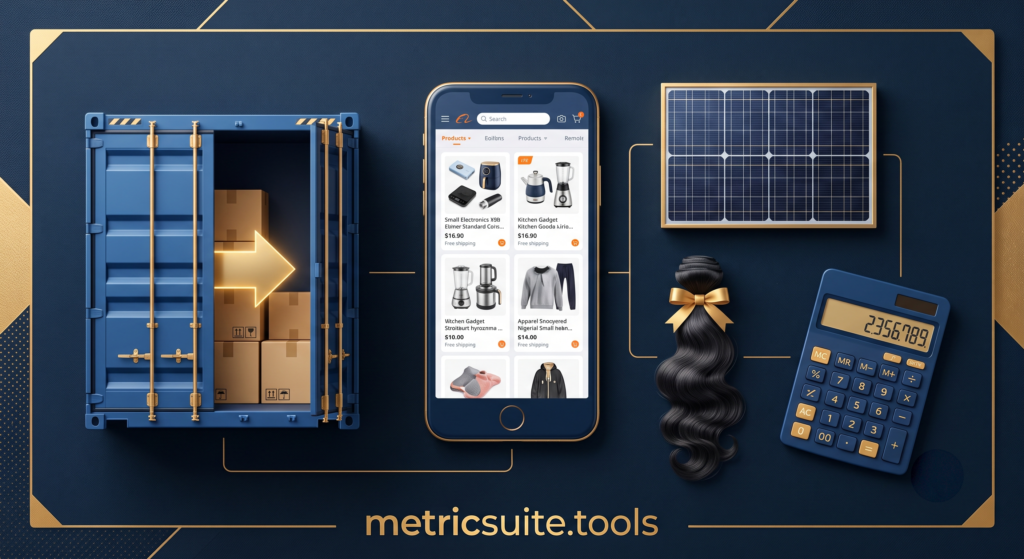
1. Phone Accessories and Small Electronics
Nigeria has well over 200 million active phone lines and one of the fastest-growing smartphone bases in Africa (GSMA). Every one of those phones needs a charger, a cable, a power bank, earbuds or a screen protector — high-turnover, low-unit-cost items that a first-timer can learn on. Communication equipment was among Nigeria’s top Chinese imports in 2024 (NBS), which tells you the demand pipeline is already built.
Startup cost (landed):
- Goods (mixed accessory lot on Alibaba): ~$500 = ₦695,000
- Sea freight + clearing (small consignment): ~$180 = ₦250,000
- Duty + VAT + CISS (electronics ~20% duty band): ~$140 = ₦195,000
- Total to start: ~$820 ≈ ₦1.14m
60–90 day scenario: A basic charger landing at ₦900 sells at ₦1,800–₦2,500 in a Computer Village stall. On a 400–500 unit first order, a realistic net margin after all costs and a few dead lines is 50–70%, or roughly ₦550,000–₦780,000 across the quarter if you turn the stock twice.
First 3 steps:
- Order a small mixed sample lot first, never a full container of one SKU you haven’t tested.
- Run the exact HS category through the duty calculator so your price already carries the tax.
- Sell through one channel (a market stall or one WhatsApp catalogue) before you scale SKUs.
2. Solar Panels, Inverters and Power Backup
This is the standout. Photovoltaic cells were one of the largest single categories Nigeria imported from China in 2024 (NBS), and the reason is obvious: the World Bank estimates around 85 million Nigerians have no reliable grid connection, and diesel is punishing. Solar panels, lithium batteries, inverters and solar-powered fans are no longer luxury goods, they are survival goods.
Startup cost (landed):
- Goods (small solar kits, inverters, panels): ~$1,800 = ₦2.5m
- Sea freight + clearing (heavier, bulkier cargo): ~$450 = ₦625,000
- Duty + VAT (renewable-energy items often attract concessionary duty, confirm the current band): ~$300 = ₦417,000
- Total to start: ~$2,550 ≈ ₦3.54m
60–90 day scenario: A 1kVA solar-inverter package landing around ₦180,000 comfortably retails at ₦300,000–₦360,000 installed. Moving 15–20 units over a quarter, net margins of 35–55% translate to roughly ₦900,000–₦1.4m, with strong repeat and referral pull because power is a permanent problem.
Before you commit to a supplier, benchmark the cost of the power you’re replacing. → Use the free Generator vs Grid Power Cost Calculator at MetricSuite.tools to calculate this instantly, no signup required. It gives you the exact naira-per-kWh figure your sales pitch needs.
First 3 steps:
- Confirm the current renewable-energy duty concession before costing, it can change your margin dramatically.
- Start with plug-and-play kits, not loose components, so installation isn’t a barrier.
- Photograph real installations for WhatsApp and Facebook proof, this category sells on trust.
3. Human Hair, Wigs and Beauty Products
Nigeria is one of the largest markets for hair extensions and beauty products on the continent, and the supply is overwhelmingly Chinese. Wigs, bundles, lashes, nails and cosmetics carry high perceived value, compact shipping weight, and margins that phone accessories can only dream of.
Startup cost (landed):
- Goods (bundles + closures, mixed lengths): ~$900 = ₦1.25m
- Air/express freight (light, high-value — worth the speed): ~$150 = ₦208,000
- Duty + VAT: ~$180 = ₦250,000
- Total to start: ~$1,230 ≈ ₦1.71m
60–90 day scenario: A bundle landing at ₦12,000 retails at ₦25,000–₦40,000 depending on grade and styling. Selling 40–60 bundles a quarter through Instagram and referrals, net margins of 60–90% can return ₦700,000–₦1.2m — and loyal beauty clients reorder.
First 3 steps:
- Buy one grade tier up from the cheapest — reputation in beauty is everything.
- Sell on Instagram/TikTok with worn-on-head video, not flat-lay stock photos.
- Track profit per item, not just cash in hand, so bundle discounts don’t erase your margin.
4. Ready-Made Fashion, Footwear and Bags
Ready-to-wear clothing, sneakers, sandals and bags from Guangzhou fill Balogun, Aba and Kantamanto-bound stalls across the region. Nigeria’s young, style-conscious, urbanising population makes fashion one of the most reliable retail categories — if you buy tight and price for turnover, not ego.
Startup cost (landed):
- Goods (mixed apparel/footwear lot): ~$700 = ₦973,000
- Sea freight + clearing: ~$200 = ₦278,000
- Duty + VAT (textiles/footwear attract higher duty bands): ~$220 = ₦306,000
- Total to start: ~$1,120 ≈ ₦1.56m
60–90 day scenario: A pair of sneakers landing at ₦6,500 sells at ₦12,000–₦18,000. On a 120–150 unit first buy, expect 45–65% net after markdowns on slow sizes — roughly ₦500,000–₦800,000 across the quarter with disciplined sizing.
First 3 steps:
- Order narrow: a few strong styles in the fast-moving sizes, not the whole catalogue.
- Factor duty into every price tag from day one, footwear and textiles are taxed harder than most assume.
- Move dead stock fast at cost; trapped capital is the fashion importer’s real enemy.
5. Importing from China to Nigeria | Auto Spare Parts
Ladipo market in Lagos is one of West Africa’s largest auto-parts hubs, and most of what moves through it, vehicle components, filters, engine parts is imported. Vehicle parts and machinery ranked among Nigeria’s biggest Chinese imports in 2024 (NBS). With a huge ageing vehicle fleet and no local manufacturing to speak of, demand is structural, not seasonal.
Startup cost (landed):
- Goods (fast-moving parts for 2–3 common models): ~$1,500 = ₦2.08m
- Sea freight + clearing (heavy cargo): ~$350 = ₦486,000
- Duty + VAT: ~$300 = ₦417,000
- Total to start: ~$2,150 ≈ ₦2.99m
First 3 steps:
- Specialise in parts for the 2–3 most common cars on Nigerian roads (Toyota Corolla, Camry, Sienna) before broadening.
- Verify part numbers against OEM specs — returns kill this business faster than anything.
- Build one trusted mechanic-referral channel; the trade runs on word of mouth.
60–90 day scenario: Fast-moving parts routinely carry 40–70% markup and reorder quickly. On a ₦3m stock turning 1.5 times a quarter, a realistic net contribution of ₦900,000–₦1.5m is achievable once you know your movers.
6. Kitchenware and Small Home Appliances
Blenders, kettles, cookware, air conditioning units and plastic homeware are perennial sellers — air conditioners alone were a top Chinese import line in 2024 (NBS). New households, weddings and a growing middle class keep demand steady, and unit economics are forgiving for beginners.
Startup cost (landed):
- Goods (mixed homeware/small appliances): ~$600 = ₦834,000
- Sea freight + clearing: ~$200 = ₦278,000
- Duty + VAT: ~$170 = ₦236,000
- Total to start: ~$970 ≈ ₦1.35m
60–90 day scenario: A blender landing at ₦8,000 sells at ₦15,000–₦20,000. Across a 150–200 unit mixed order, net margins of 45–60% can return ₦600,000–₦900,000 a quarter, with strong festive-season upside.
Freight makes or breaks the bulky categories, get your shipping number before you order. → Use the free Shipping Cost Estimator at MetricSuite.tools to calculate this instantly, no signup required. It compares sea, air and courier from China to Nigerian ports so you don’t overpay per cubic metre.
First 3 steps:
- Prioritise items that ship dense — bulky, light goods eat your margin in freight.
- Test one appliance category before stocking a full homeware range.
- Offer a short warranty window to build trust and separate yourself from grey imports.
Start Importing From China to Nigeria the Smart Way
The businesses above work because the demand is already proven — Nigeria’s ₦14 trillion appetite for Chinese goods is not slowing down. What separates the traders who last from the ones who burn their capital in one bad container is simple: they cost the full landed price before they buy, not after the clearing agent calls.
Your one action this week: pick the single category that fits your capital and network, price a real sample order end-to-end through the Nigerian Import Duty Calculator and Shipping Cost Estimator, and only then place a small test buy. For a deeper walkthrough of the numbers, read our guide on how to calculate import duty in Nigeria and why direct import beats sourcing agents in Lagos. Importing from China to Nigeria rewards the trader who knows their numbers cold — start there.
Figures are illustrative estimates at ~₦1,390/$ and current duty bands; exchange rates and tariffs move, so confirm live figures in the tools before ordering.
MetricSuite’s free Business Profit & Pricing Tools can help you calculate margins, pricing and break-even points. Use the Bookkeeping Workbook when you’re ready to track your actual income and expenses over time.
Key Takeaways | importing from China to Nigeria
- China is Nigeria’s #1 supplier. Over a quarter of all Nigerian imports come from China (NBS) — the demand pipeline is already built for you.
- Landed cost, not supplier price, decides your margin. Duty, VAT, CISS, freight and clearing routinely add 20–35% on top of the Alibaba quote.
- Solar, phone accessories and human hair offer the best entry-level economics — high turnover or high margin, low starting capital.
- Start small and test. A sample lot through one sales channel beats a full container of an untested SKU every time.
- Price the tax in from day one using the free MetricSuite import duty and shipping tools — no signup required.
How much money do I need to start importing from China to Nigeria?
A realistic first order runs from about ₦1.1m (phone accessories, homeware) to ₦3.5m (solar, auto parts), including goods, freight, duty and clearing. Start at the lower end with a sample lot rather than a full container.
What is the cheapest way to ship goods from China to Nigeria?
Sea freight is cheapest for bulky or heavy cargo; air or courier is worth it only for light, high-value goods like hair or premium electronics. Compare all three with the free Shipping Cost Estimator before you commit.
How is import duty calculated in Nigeria?
Duty is charged on the CIF value (cost + insurance + freight), plus 7.5% VAT, a 1% CISS levy and port clearing charges. Rates vary by HS code; the Nigerian Import Duty Calculator applies the correct band automatically.
Do I need a registered company to import into Nigeria?
For small consignments many traders start informally, but a registered business, TIN and a Form M through your bank are required for formal, scalable importing and to avoid clearing delays.
Which Chinese platform is best, Alibaba or 1688?
Alibaba is English-language and supports international payment, which is safer for beginners. 1688 is cheaper but Chinese-only and harder to pay, most first-time Nigerian importers should start on Alibaba.
This article is general business information, not financial or legal advice.
Need Help Setting Up?
Get an Import & Finance Pro on Fiverr
Hire vetted freelancers to handle sourcing research, landed-cost spreadsheets, bookkeeping and business registration — for your China-to-Nigeria import business. Starting from $5.
Browse Finance & Business Pros on Fiverr →Affiliate link — MetricSuite may earn a commission at no extra cost to you.
Sources | importing from China to Nigeria
- National Bureau of Statistics (NBS) — Foreign Trade in Goods Statistics, Q4 2024 and full-year 2024: China as Nigeria’s top import partner, ₦14.15tn in Chinese imports, top import categories (photovoltaic cells, communication equipment, vehicle parts, air conditioning units). Reported via Punch and BusinessDay.
- Finance in Africa, analysis of NBS data — China’s exports to Nigeria surge 37% to $13bn in 2025: financeinafrica.com
- Nigerian Communications Commission (NCC) — Industry Statistics, December 2025: 179.6 million active telecom subscriptions, teledensity 82.9%. Reported via Vanguard.
- World Bank — Tracking SDG7: The Energy Progress Report 2025: 85–86.8 million Nigerians without grid electricity access, the largest deficit worldwide. Reported via Vanguard.
- Live USD/NGN exchange rate referenced at time of writing (~₦1,390/$1): currencylive.com — confirm current rate via the MetricSuite Multi-Currency Pricing Calculator before costing an order.
Importing from China to Nigeria: Duty bands, freight and clearing costs are illustrative estimates based on standard Nigerian customs practice; confirm exact HS-code rates via the Nigerian Import Duty Calculator, as classifications and rates are subject to change.